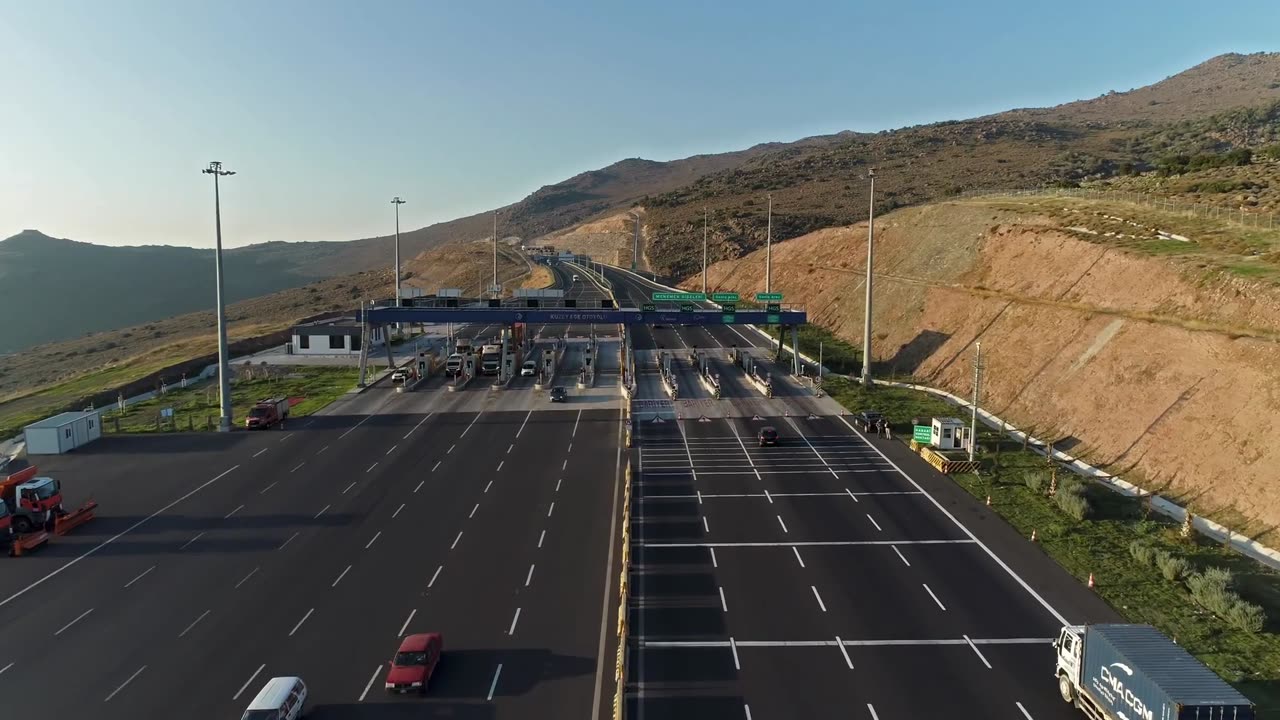

Port to Door: Mapping Every Toll Plaza on the LA–Phoenix Lane
The LA–Phoenix corridor crosses 11 distinct toll zones. We mapped every plaza, axle rate, and transponder discount so your TMS can price this lane without surprises.
Long Beach and Los Angeles port drayage into Arizona is a staple intermodal lane — and one of the most toll-fragmented corridors west of the Mississippi. A single LA–Phoenix run can touch Orange County toll roads, Riverside express lanes, and Arizona DOT segments depending on whether dispatch favors I-10 or US-60 through the Inland Empire.
Eleven zones on this lane
- SR-91 Express Lanes — peak vs off-peak windows matter for 5-axle trucks
- SR-241 / SR-261 Foothill toll roads — common on port exits toward Orange County
- I-15 express segments near Corona — congestion-priced midday
- Arizona Loop 202 and SR-51 — urban segments on Phoenix metro entry
- Bridge surcharges on alternate port exits when avoiding downtown LA

Why spreadsheet lane matrices fail
Static matrices assume one path and one average toll per mile. Dispatchers routinely divert around congestion — swapping a $12 FasTrak segment for an untolled surface leg that adds 40 minutes but saves $80. Your customer quote should reflect the routed path, not a 2019 corridor average.
Forward vs return
Empty returns from Phoenix to LA often deadhead on I-10 with different express-lane choices than the loaded forward move. Price both legs separately when the carrier can avoid tolled managed lanes on the return.
“We had LA–Phoenix in the TMS at $95 toll flat. Real average was $118 loaded, $64 empty. The lane was fine — our spreadsheet wasn't.”
How DrayToll prices this lane
We draw the commercial truck route through Valhalla, match plazas along the polyline, and return per-stop cash and FasTrak rates for your equipment profile. Map view shows forward and return polylines with toll markers — orange forward, green return.